The Ultimate Guide to BBQ Covers: Protecting Your Grill Like a Pro
Table of Contents
- Why a BBQ Cover is a Must-Have for Every Grill Master
- The Top Benefits of Using a BBQ Cover
- Types of BBQ Covers: Which One is Right for You?
- 1. Universal Covers
- 2. Custom-Fit Covers
- 3. Heavy-Duty Covers for Pellet and Smokers
- 4. Foldable and Portable Covers
- 5. Weatherproof and UV-Resistant Covers
- How to Choose the Best BBQ Cover for Your Grill
- DIY BBQ Cover: A Budget-Friendly Alternative
- Maintaining Your BBQ Cover for Longevity
- Common Mistakes to Avoid When Using a BBQ Cover
- Final Thoughts: Elevate Your Grilling Game with the Right BBQ Cover
Why a BBQ Cover is a Must-Have for Every Grill Master
Picture this: you’ve spent hours perfecting your ribs, the smoker is humming at the ideal temperature, and the aroma of slow-cooked meat fills the air. Just as you’re about to serve up a masterpiece, a sudden rainstorm rolls in—or worse, a hailstorm. Without a BBQ cover, your grill could be ruined, and all that hard work goes to waste. A BBQ cover isn’t just an accessory; it’s your grill’s first line of defense against the elements. Whether you’re a backyard pitmaster or a casual cook, investing in a high-quality cover ensures your grill stays in top shape for years to come. In this guide, we’ll explore everything you need to know about BBQ covers, from their benefits to how to choose the best one for your setup.
“A grill cover is like insurance for your investment—it saves you money in the long run by preventing costly repairs or replacements.”
Let’s dive in!
The Top Benefits of Using a BBQ Cover
A BBQ cover does more than just keep rain off your grill. Here are the key advantages of using one:
- Protection from the Elements: Rain, snow, hail, and even strong sunlight can damage your grill’s surfaces. A durable BBQ cover shields it from moisture, rust, and UV rays, extending its lifespan.
- Prevents Rust and Corrosion: Metal grills are prone to rust, especially in humid or coastal climates. A cover keeps your grill dry, reducing the risk of oxidation and maintaining its structural integrity.
- Extends Grill Life: Regular exposure to the elements can wear down your grill’s paint, grease traps, and components. A BBQ cover acts as a barrier, minimizing wear and tear.
- Saves Money on Repairs: Replacing a rusted grill or repairing damaged parts can be expensive. A good cover is a small investment that pays off in the long run.
- Keeps Pests Away: Mice, squirrels, and insects love nesting in grills. A cover denies them access, keeping your grill clean and functional.
- Maintains Temperature Consistency: Some covers are designed to retain heat, helping your grill stay warm even in cooler weather, which is perfect for those who love smoking in chilly months.
Types of BBQ Covers: Which One is Right for You?
Not all BBQ covers are created equal. The right type depends on your grill’s size, material, and your specific needs. Here’s a breakdown of the most common types:
1. Universal Covers
Universal covers are designed to fit a wide range of grill sizes and shapes. They’re typically made from heavy-duty polyester or vinyl and secured with straps or elastic edges. These covers are:
- Affordable and easy to find.
- Ideal for standard grills (e.g., Weber, Char-Broil, or Traeger).
- Lightweight and easy to store when not in use.
Best for: Casual grill masters with standard-sized grills who want a budget-friendly solution.
2. Custom-Fit Covers
Custom-fit covers are tailored to your grill’s exact dimensions. They often include features like:
- Adjustable straps for a snug fit.
- Waterproof and UV-resistant materials.
- Ventilation panels to prevent moisture buildup.
Best for: Serious pitmasters with unique or oversized grills who want maximum protection.
3. Heavy-Duty Covers for Pellet and Smokers
Pellet grills and smokers require covers that can handle heat retention and insulation. Look for covers with:
- Reflective materials to retain heat.
- Breathable fabric to prevent condensation.
- Reinforced stitching for durability.
Best for: Low-and-slow cooking enthusiasts who use pellet grills or smokers.
4. Foldable and Portable Covers
If you move your grill frequently or store it during the off-season, a foldable or portable BBQ cover is a great choice. These covers are:
- Compact and easy to transport.
- Often made from lightweight, waterproof materials.
- Ideal for tailgating or camping setups.
Best for: Grill owners who need mobility and convenience.
5. Weatherproof and UV-Resistant Covers
For those in extreme climates, a cover with built-in weatherproofing and UV protection is essential. These covers feature:
- Waterproof coatings to repel rain and snow.
- UV-resistant fabrics to prevent fading and cracking.
- Wind-resistant designs to stay secure in storms.
Best for: Grill enthusiasts in rainy, sunny, or windy regions.
How to Choose the Best BBQ Cover for Your Grill
Selecting the right BBQ cover can be overwhelming, but with these tips, you’ll find the perfect fit:
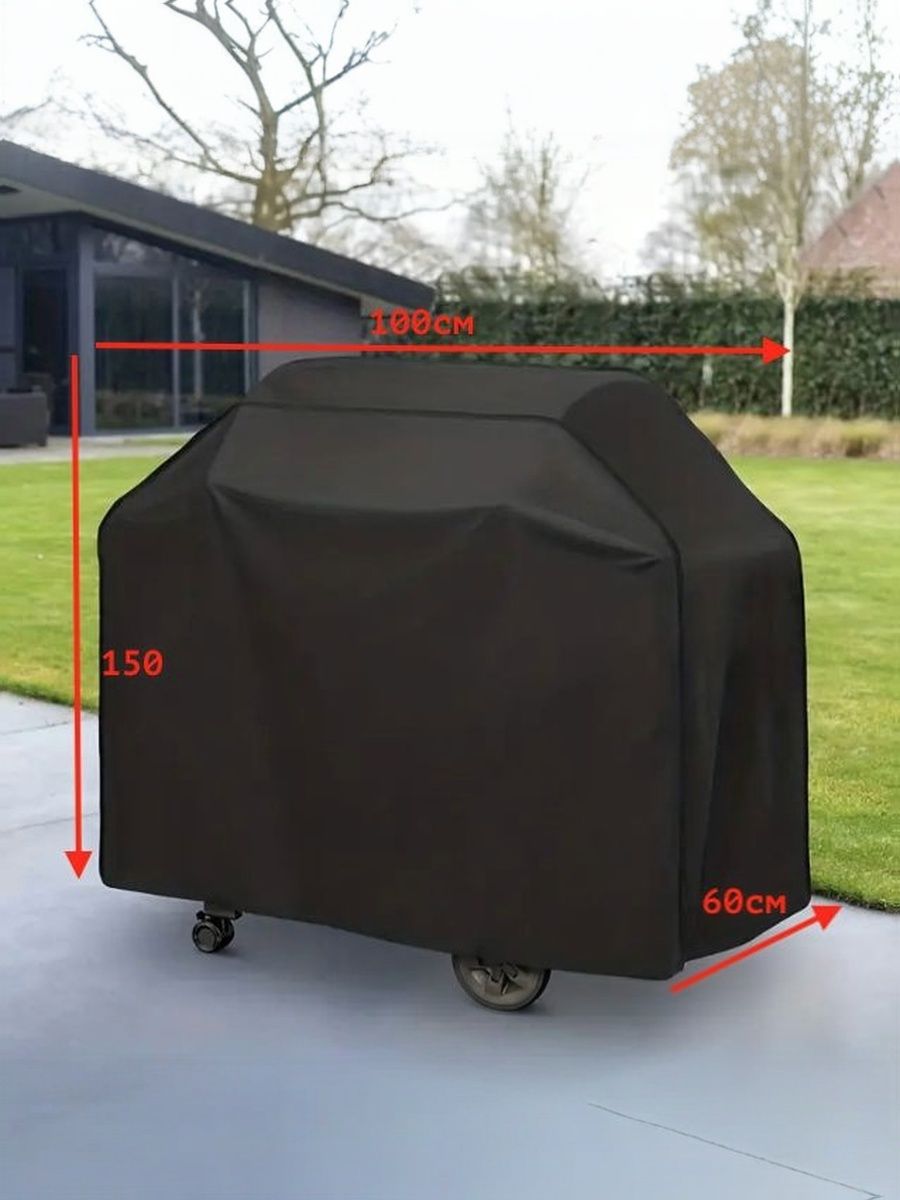
- Measure Your Grill: Use a tape measure to determine your grill’s length, width, and height. Add a few inches for overhang to ensure full coverage.
- Check the Material: Opt for covers made from:
- Heavy-duty polyester (waterproof and durable).
- Vinyl (resistant to UV rays and moisture).
- Canvas (breathable but less waterproof).
For smokers, look for covers with insulation properties.
- Look for Secure Fastening: Straps, elastic edges, or bungee cords ensure the cover stays in place during wind or storms.
- Consider Ventilation: Some covers trap moisture, leading to mold or mildew. Choose one with ventilation panels if your climate is humid.
- Read Reviews and Ratings: Check customer feedback for insights on durability, ease of use, and real-world performance.
- Budget Wisely: While cheaper covers may seem tempting, investing in a high-quality BBQ cover pays off in the long run by protecting your grill.
DIY BBQ Cover: A Budget-Friendly Alternative
If you’re handy and want a custom solution, making your own BBQ cover is a great option. Here’s a simple DIY approach:
- Gather Materials:
- Heavy-duty tarp or canvas (6mm or thicker).
- Measuring tape and scissors.
- Duct tape or waterproof adhesive.
- Bungee cords or straps.
- Measure and Cut: Measure your grill and cut the tarp to size, adding extra for folds and securing edges.
- Seal the Edges: Use duct tape or adhesive to seal seams and prevent water from seeping in.
- Add Fasteners: Attach bungee cords or straps to keep the cover taut and secure.
- Test for Durability: Give it a trial run by spraying water on it to check for leaks.
“A DIY cover might not be as pretty as a store-bought one, but it’s a functional and cost-effective way to protect your grill until you’re ready to invest in a premium model.”
For a more polished look, consider using a waterproof outdoor fabric or even a repurposed umbrella as a temporary cover.
Maintaining Your BBQ Cover for Longevity
Even the best BBQ cover won’t last forever if not maintained properly. Follow these tips to extend its life:
- Clean Regularly: Remove debris, leaves, and dirt after each use. Use a damp cloth and mild soap to clean the cover.
- Store Properly: When not in use, store your cover in a dry place to prevent mold or mildew. Avoid folding it tightly, as this can cause creases that weaken the material.
- Inspect for Damage: Check for tears, holes, or worn-out straps before each grilling season. Repair or replace damaged parts promptly.
- Avoid Prolonged Sun Exposure: While BBQ covers are designed to resist UV rays, leaving them exposed to direct sunlight for long periods can degrade the material over time.
- Use a Dehumidifier: If you live in a humid climate, consider placing a small dehumidifier near your grill to reduce moisture buildup under the cover.
Common Mistakes to Avoid When Using a BBQ Cover
Even with the best intentions, some grill owners make mistakes that compromise their BBQ cover’s effectiveness. Here’s what to avoid:
- Using a Cover That’s Too Small: A snug fit is essential. If the cover doesn’t fully enclose the grill, rain and debris will find their way in.
- Ignoring Ventilation: Trapping moisture inside the cover can lead to mold, mildew, and even rust. Ensure your cover allows for airflow.
- Skipping Regular Inspections: A cover left unattended can develop hidden damage. Check it seasonally for wear and tear.
- Using Cheap, Low-Quality Materials: Thin or flimsy covers won’t withstand harsh weather. Invest in durability.
- Not Securing the Cover Properly: A cover that flutters in the wind is more likely to tear. Always use straps or fasteners to keep it in place.
- Leaving the Cover on While Grilling: Never use your BBQ cover while cooking, as it can trap heat and become a fire hazard.
Final Thoughts: Elevate Your Grilling Game with the Right BBQ Cover
A BBQ cover is more than just an accessory—it’s a vital tool for preserving your grill and enhancing your grilling experience. Whether you opt for a universal cover, a custom-fit model, or a DIY solution, the key is choosing one that offers protection, durability, and ease of use. By investing in a high-quality cover and maintaining it properly, you’ll ensure your grill stays in pristine condition for years, allowing you to focus on what matters most: creating mouthwatering meals for your family and friends.
So, don’t wait until the next storm rolls in to realize the importance of a BBQ cover. Take the time to select the right one for your needs, and enjoy peace of mind knowing your grill is safe and sound. Happy grilling!
Leave a Comment
Comments are moderated before appearing. The data you submit is processed according to the Privacy Policy of guessthescore.